

WHO’S ATTENDING
Special
Guests
-
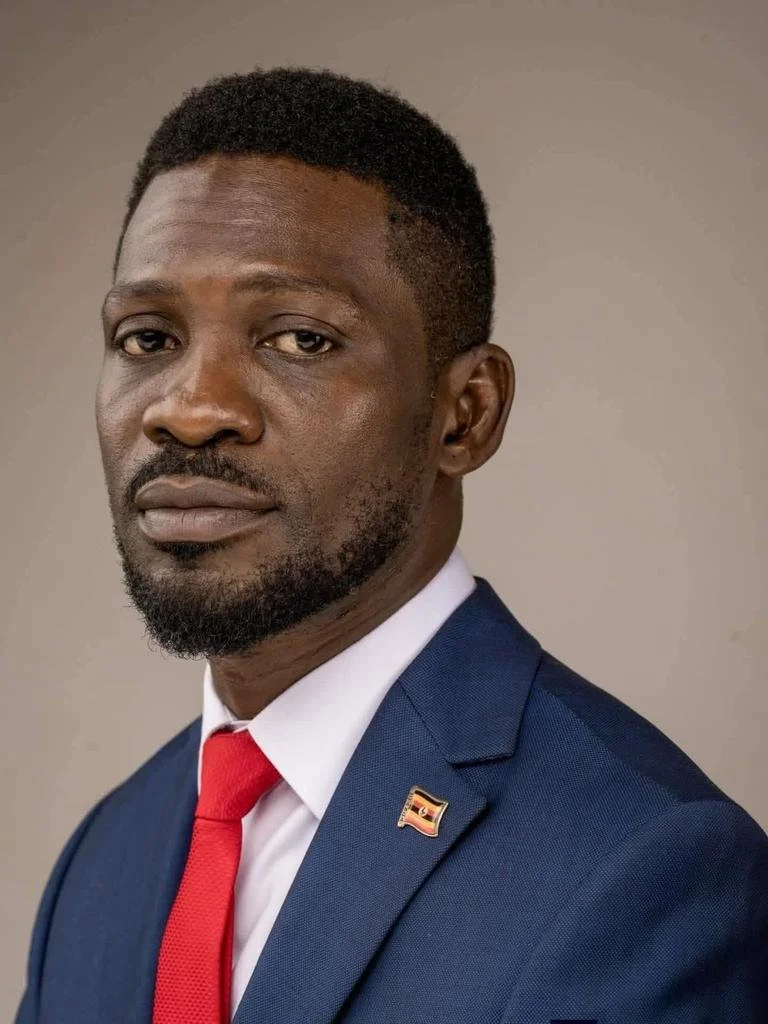
Robert Kyagulanyi Ssentamu, known by his stage name Bobi Wine, is a Ugandan politician, activist, singer, actor, businessman and philanthropist. Wine entered formal politics in 2017 when he won a parliamentary by-election. As an MP, he opposed constitutional changes, such as the removal of the presidential age limit, leading fellow parliamentarians to put up a good fight against this constitutional amendment. He also vehemently criticized a social media tax.
In 2021 and 2026, Wine ran for president as the National Unity Platform (NUP) candidate but lost to the incumbent, President Yoweri Museveni, amid allegations of fraud and repression. Despite the loss, in 2021 Wine's NUP party secured a significant number of parliamentary seats, becoming the second-largest party after the ruling party, the National Resistance Movement.
-
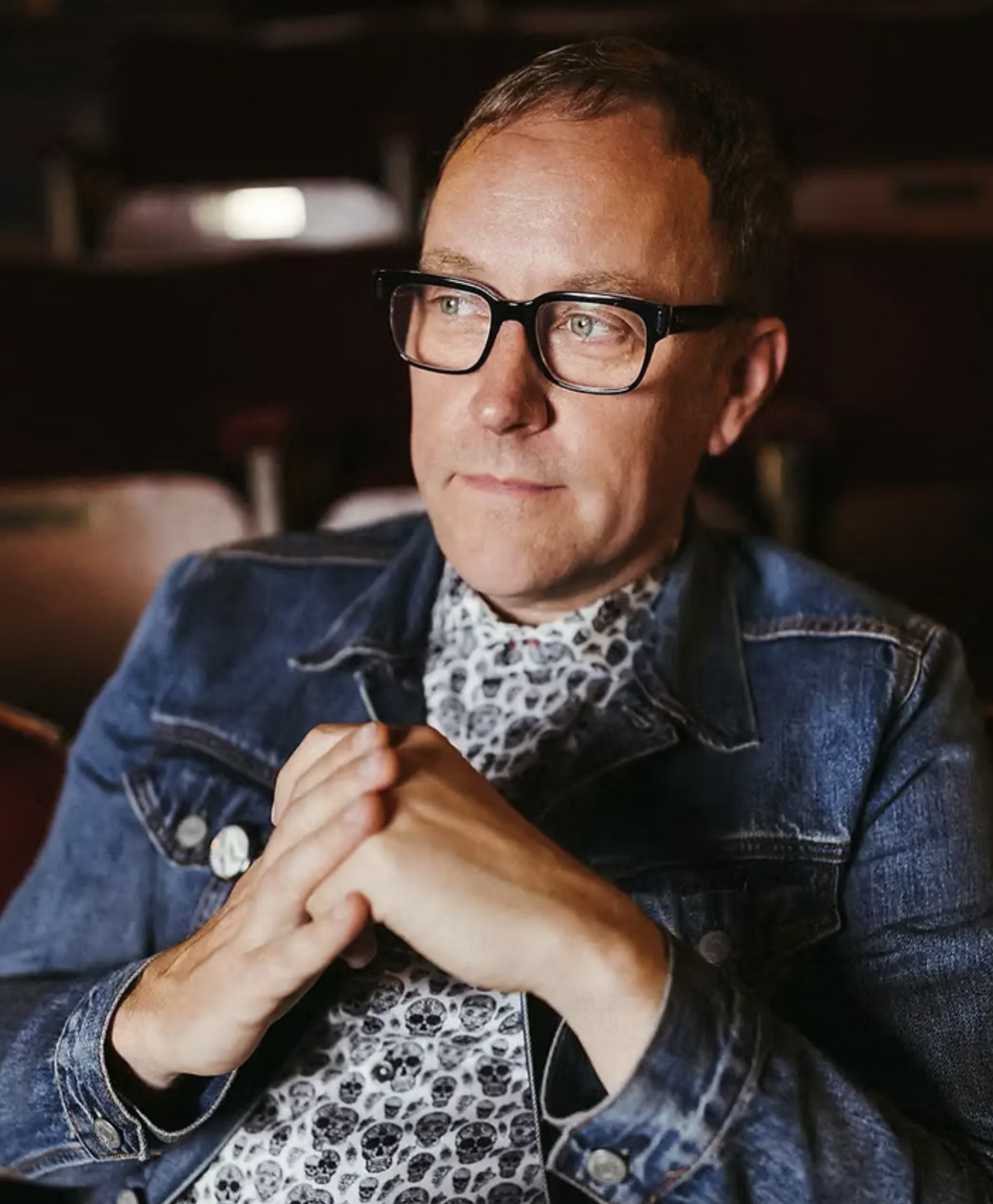
Some entertainers fill time. Bro Gilbert changes it.
Bro Gilbert is a Vancouver, BC-based corporate magician, mentalist, and entrepreneur with over 30 years of live performance experience and thousands of shows across North America. He has performed for Fortune 500 companies, national brands, financial institutions, healthcare organizations, and professional associations - turning ordinary corporate events into moments guests talk about for years.
His work is rooted in something deeper than tricks. Bro specializes in the psychology of surprise - using magic and mentalism to break down barriers between people, spark genuine conversation, and create the kind of shared experience that no icebreaker exercise or team-building workshop can replicate. Clients like the Royal Bank of Canada, Fountain Tire, and Demonware book him not just as entertainment, but as the spark their events needed.
TV, stage, and international credentials:
Bro has consulted and performed alongside some of the world's most recognized magicians, including work on productions featuring Dynamo, Criss Angel (Mind Freak on A & E), Penn & Teller's Fool Us, and America's Got Talent. His behind-the-scenes expertise as a magic consultant gives him a level of technical mastery that translates into performances that look genuinely impossible - because he helped create some of the impossible things you've already seen on television. Bro is also an accomplished author.
More than a show:
Beyond performing as a corporate mentalist at events across Vancouver and BC, Bro is the founder of The Astonishment Academy - a leadership and training company that applies the principles of magic, engagement science, and human psychology to organizational culture, educator development, and executive leadership. He is also a proud member of the team at Aitken Leadership Group.
Whether you're planning a cocktail reception for 80 guests or a conference stage show for 1,000, Bro designs every experience around your event, your people, and the result you want to create.

-
Dania Cabello is a somatic practitioner, teaching artist, and former Division I and professional athlete whose work operates at the intersection of sport, embodiment, and cultural analysis. Her practice examines how play and movement shape the behaviors, relationships, and values that circulate within communities, positioning the body as both a site of knowledge and a medium for social change. Drawing from indigenous-informed practices, critical pedagogy, and her experience within elite sport systems, she designs and facilitates experiences that surface how patterns of power, connection, and participation are created and reproduced in real time. Her work spans facilitation, performance, and cultural inquiry, with recent exhibitions at Yerba Buena Center for the Arts, SOMArts, and the San Francisco Museum of Modern Art.
-
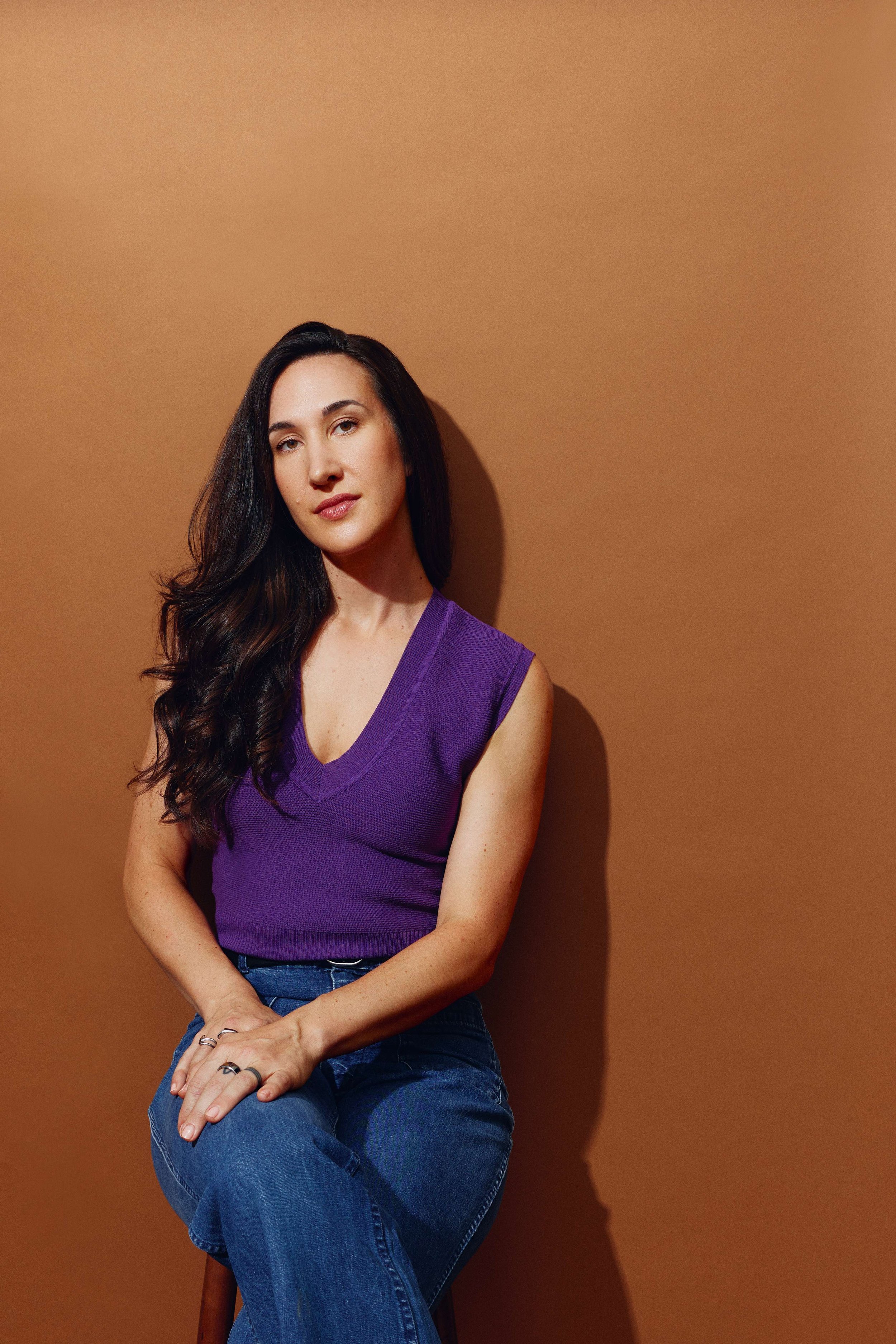
Katrina (Treen), is a filmmaker, breathwork and yoga facilitator, and performer. Her work across these forms shares a single purpose: returning people to themselves through self-expression. She holds an MFA from ICP-Bard and has spent over a decade making documentary films, primarily in the anti-human trafficking space. She produced and shot Crossing Over: Stories of Immigration and Identity (Univision, Participant), and produced and co-directed We Ride For Her (SXSW; Anthem Award). Her work as a facilitator emerged from a decade-long healing journey that informs how she holds space for others to access their own wisdom. She is fascinated by interoception, and what becomes possible when we not only listen to ourselves but live from that place. Her training includes a 200 and 300-hour YTT with The Sacred Fig at Cocoon in Portugal, Level 1 and 2 Breathwork Facilitator training with Ally Maz and George Ramsay (Open Studio), Levels 1 through 6 of David Elliott's Healer Training, The Hoffman Process, and Novus Global's MetaPerformance ontological coaching program. She is the studio manager at The Sunroom, a center for mindfulness in Chicago, and co-founder of Big Feels, a feeling-forward movement company.
-
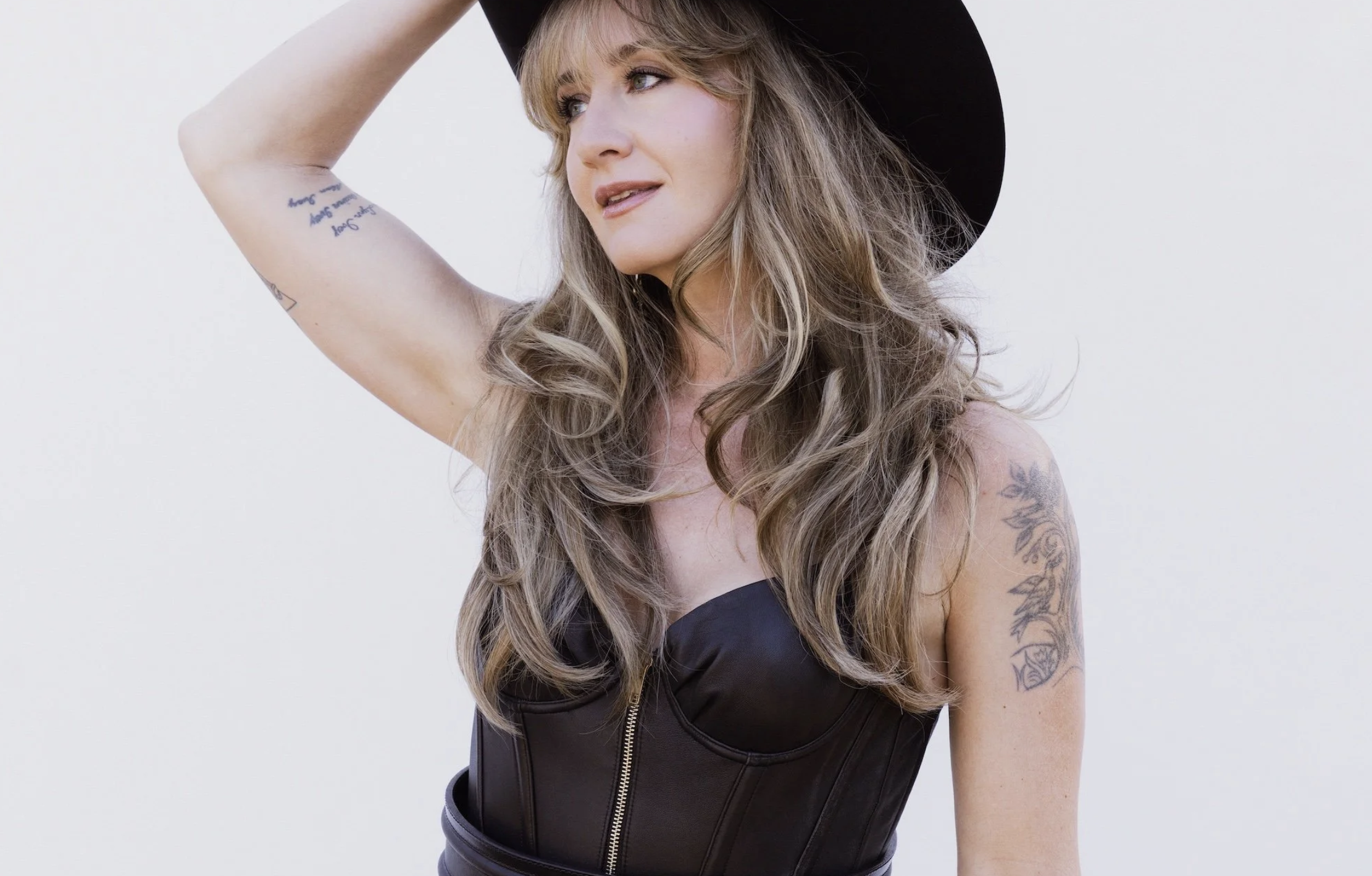
Nearly a decade ago, Margo Price turned Nashville on its head with her breakthrough, beloved debut solo album, Midwest Farmer’s Daughter. Released in the throes of bro-country and before pop stars were crossing over into the genre left and right, it showcased an artist completely unafraid to double down not only on herself, but what she’d always loved: classic country songs written from the intellect and the gut, hell-bent on truth-telling and both timeless and urgent all at once. Respected by her peers, praised by critics and beloved by her fans, Price created a lane where independent-minded, insurgent country music can exist and thrive alongside the mainstream, and became an ardent fighter for her beliefs in a genre where the norm is to shut up and sing. A trailblazer and a champion for the craft, Price redefined what it meant to be a modern country artist.
And now she’s back with an exquisite, truly timeless album that reconnects with her roots and pays tribute to the art of the country song, inspired in part by the legends whom she now calls colleagues and friends. Hard Headed Woman is both a look forward and a look back: a way to march forward while staying true to yourself when the path of less resistance is right there in front of us, and short cuts are around every corner. And a way to look back when we need to trim what is no longer working, and to stay connected with where we’re from. It is a promise and a manifesto, a love song to both a city and a genre, and a defiant cry for individuality.
In creating Hard Headed Woman, Price brought all of her power as one of our most beloved and respected songwriters to craft a deep exploration of love and America in a time of unprecedented uncertainty. Featuring appearances from Tyler Childers, co-writes with Rodney Crowell and a Waylon Jennings song that his widow, Jessi Colter, urged her to sing, it is country music as only Price can make it: free of rules, cherishing tradition, hard headed to the core but with a delicate, beating heart.
Since releasing Midwest Farmer’s Daughter, Price has barely slowed down. She’s made four records, played Saturday Night Live, been nominated for a Grammy, toured the world alongside artists like Chris Stapleton and Willie Nelson, released a lauded memoir (Maybe We’ll Make It, due on paperback September 2nd), became an in-demand producer and was appointed as the first female board member of Nelson’s Farm Aid. And she’s been fearless when it came to genre, venturing into psychedelic rock on her most recent, Jonathan Wilson-produced record, Strays. It would have been easiest to just stay that course, and keep running. But Price doesn’t follow success or comfort. She follows the art.
It took a whole lot of hard work and honesty with herself and others to get there, but that’s never stopped Price before. “I made the decision that I had to rebuild everything from the ground up,” Price says. “There’s all this pressure to be pumping out content, and I felt the opposite in the way I wanted to approach this record and my life in general.”
Price had also established herself as one of the most passionate, vocal artists in country music and beyond when it came to standing up for political and personal causes, from the presidential election, to abortion to gun control: happily hard headed when it came to the fight for equality and justice, especially for the working class and underserved in our society. Price has always brilliantly woven her activism into her songs, but her role as a spokesperson had started to overtake, on occasion, her role as a songwriter. She wanted to focus on using her written word to deliver the most potent punch of all.
“I always hope to do like Johnny Cash did,” Price says, “which is speak up for the common man and woman. But there have been so many threats and anger and vitriol over the years, when I am only coming from a place of love.”
Price realized she just needed a break from everything outside of the bubble of family life and her art. She started spending more time at home, writing songs alone and with her husband, Jeremey Ivey. She started popping up in the dive bars and tiny venues around Nashville where she got her start, sometimes just to play a country cover or two or dance with the crowd. She refused guidance to write for pop stars or compromise her values for a quick buck. Most of all, she turned the emphasis in her music back to songwriting, exactly where she began.
“So much of Strays was leaning into this psychedelic, textural territory,” says Price. The music lent itself to vibrant, heavy stage jams, with Price often hopping behind the drumkit and bruising her thigh from a tambourine beat. She found herself longing for the days when it was just her and her guitar, playing at an East Nashville dive bar. “I always knew,” she adds, “I would come back to this more rooted sound.”
Hard Headed Woman is rooted to its core. Rooted in Price’s history and struggle to make it as a musician for so many years in a town that prizes uniformity and the bottom line, rooted in the country and folk sounds that have become her signature, rooted in the simplicity of a few key collaborators instead of songs-by-committee. At the heart of Price’s work is her creative partnership with Ivey, with whom she describes as having a “soul connection.” “I'm a songwriter,” Price says. “I'm not somebody who goes out and needs five people to craft a song, and then tack my name on it. That’s never been my style. I have something to say.”
Something to say, nothing to prove. The first song they wrote for the album that would become Hard Headed Woman was “Close to You,” a simple, pining call for a lover that is infused with the sounds of the desert. It’s unfettered and truth-telling, accented by some flamenco guitar and Price’s gorgeous, urgent vocals. “We played the jukebox while democracy fell,” Price sings, never letting her songs fall out of the context in which they exist. It’s the kind of thing that only she could write, carrying both love and fear in one single line.
As more songs started to form, an early boost of confidence came from her friends Rodney Crowell and Emmylou Harris, who heard some of the work at a political fundraiser and encouraged Price to keep going. “I have both of them to thank for building me up and making me believe in the songs I am writing in this season of my life,” Price says. Crowell remained not only an inspiration and supporter of the album but a contributor: he co-wrote two songs with Price and Ivey.
The album that unfolded from there is drenched in Price’s unique story and unshakeable instincts: while Midwest Farmer’s Daughter was about her journey from childhood to Nashville, Hard Headed Woman is very much her battle since from dive bars to tour buses, through parenthood and marriage, through scrutiny and sacrifice all while fighting constantly for what she believes in, and the music she loves. It begins with a proclamation on the prelude, which serves as the album’s mission statement: or, Price puts it, “a disclaimer and reminder that I don't owe you fucking shit.”
Songs like the album’s lead single, “Don’t Let the Bastards Get you Down,” speak for the downtrodden and the forgotten, an “anthem for people who are being overlooked in society and need to be lifted up,” Price says, “because we are up against so much right now.” As so many of Price’s songs do, it speaks both for the personal and the political all at once. Price was inspired by the message Kris Kristofferson whispered to Sinead O’Connor when she was booed on stage at a Bob Dylan 30th Anniversary show, and even got Kristofferson’s widow’s blessing to include his name on the credits. “I always admired Kris for how he stood by her in that moment, instead of pulling her off the stage like they told him,” Price says. It serves as a reminder to anyone who encounters resistance in the face of fighting for justice to keep going, especially when it would be so much easier to capitulate and cower.
“The song was originally written for a movie that never happened, but it feels so timely with everything that’s going on in the world,” Price explains. “The phrase, ‘Don’t Let The Bastards Get You Down’ originates from Margaret Atwood’s brilliant 1985 piece of literature, The Handmaid’s Tale. It’s referred to in Latin and used as a rallying cry for resistance against the oppressive regime that symbolizes resilience and hope in the face of adversity. Nolite te Bastardes Caborundorum.”
That spirit resonates all across the songs of Hard Headed Woman. The blistering “Don’t Wake Me Up” was based around some writings that Ivey stumbled upon in one of Price’s notebooks, inspired in part by her deep readings of Frank Stanford, one of her favorite poets due to his freewheeling work free of boundaries. They spun it all into song in minutes that chugs with the essence of Dylan’s “Subterranean Homesick Blues”: “The way this world is going, ain’t where I’m at,” Price howls in her powerful, unmistakable voice. “Nowhere is Where,” turns slow and contemplative, road-worn but never broken, the call of someone who has been to the mountain but never forgets the prairie below. And “Losing Streak” whirls in with an organ and out with a weary, world-worn defiance: our worst times don’t define us, but they’re always part of who we are.
There are songs that go back to the beginning of Price’s early grind, like the western-tinged “Wild at Heart,” reflecting on how much her life and the city of Nashville has changed over the years – and how important it is to stay true to exactly who you are despite it all. Another, called “Red Eye Flight,” is about both leaving a lover and also leaving her longtime band the Pricetags. “I’ve been with those players for ten, thirteen years,” she says. “But I could feel that I needed to make a change, and to change texturally what’s going on with the band. But it’s a familial bond, different than a friendship.”
There are a few choice covers and cuts, too: “Love Me Like You Used To Do” is by Price’s friend Steven Knudson, an unsung Nashville writer on whom she hopes to shine a spotlight (helping to elevate the town’s incredibly talented but buried voices is one of Price’s favorite pastimes). Friend Tyler Childers joins Price on that waltzing country ballad, while “I Just Don’t Give a Damn” is Price’s “Jolene goes to Memphis” take on the Jimmy Peppers and George Jones classic. And showcasing how Price has been trusted by the greats to lead the next generation of country music renegades, “Kissin You Goodbye” was given to Price by Jessi Colter, Waylon Jennings’ widow, when Price was producing her record. They’re songs chosen to appreciate the past and the present as she sees it – not as Music Row or the algorithm might dictate – and place Price squarely amongst her heroes as a living and breathing part of the new country tradition.
When it came time to record Hard Headed Woman, it was important for Price to keep that ethos alive, decamping to Nashville’s RCA Studio A and reuniting with producer Matt Ross-Spang, with whom she made her first two solo albums. Though she has worked with everyone from Sturgill Simpson to Jonathan Wilson since, it was Spang’s vocal rebuke of easy studio shortcuts that made her eager to reunite again. “He’s so unpretentious,” Price says. “He fully believes in me, he fully believes in my songs. He got us back to feeling it in your gut and not needing everything to be so perfect.”
It felt truly significant for Price to make the album in Nashville, a city where she’s lived for over two decades and played a seminal role in its transformation, yet somehow never recorded an album in the place she’s called home. The historic RCA Studio A helped connect Price even closer to the legacy of songwriting she holds so dear, a place where everyone from Dolly Parton to John Prine to Loretta Lynn have made albums. “It felt like there were ghosts and spirits just hanging out,” Price says. In perfect kismet, she also launched her own signature Gibson J-45 guitar, inspired by her 1960’s Gibson she’s had by her side for years as her career took off. It’s all part of the continuity that she wishes to create with her art, not just with timeless songs but inspiring future generations of women, mothers and artists in general who don’t want to sacrifice their vision, moral compass or family life in favor of mainstream success.
At its core, Hard Headed Woman is about that furious instinct to never waver, especially when ourselves, our values and our future is so clearly on the line. As she sings on the title track, “I ain’t ashamed, I just am what I am.”
“I hope this album inspires people to be fearless and take chances and just be unabashedly themselves,” Price says, “in a culture that tries as hard as it can to beat us into all being the same.”
Margo is accompanied by Jeremy Ivey
-
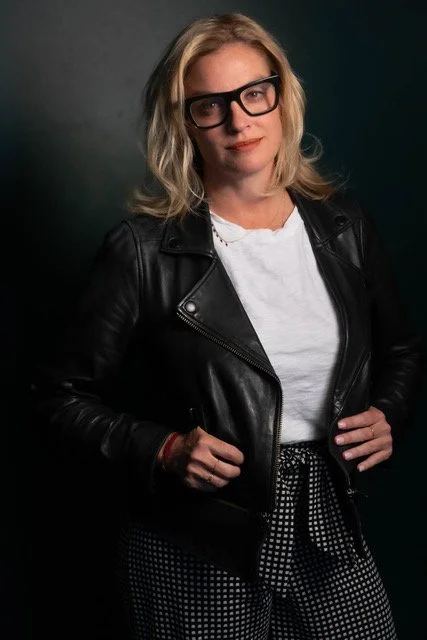
Sarah Baer works at the intersection of politics and entertainment, bringing a fresh perspective to campaigning and fundraising through her background in music. She partners with artists and creatives to help them leverage their voices and platforms for purpose-driven initiatives — often political, but not exclusively. Sarah co-manages Grammy-winning artist Allison Russell and is deeply committed to movement work, with a focus on flipping districts and challenging Tennessee’s supermajority at the state level.
-
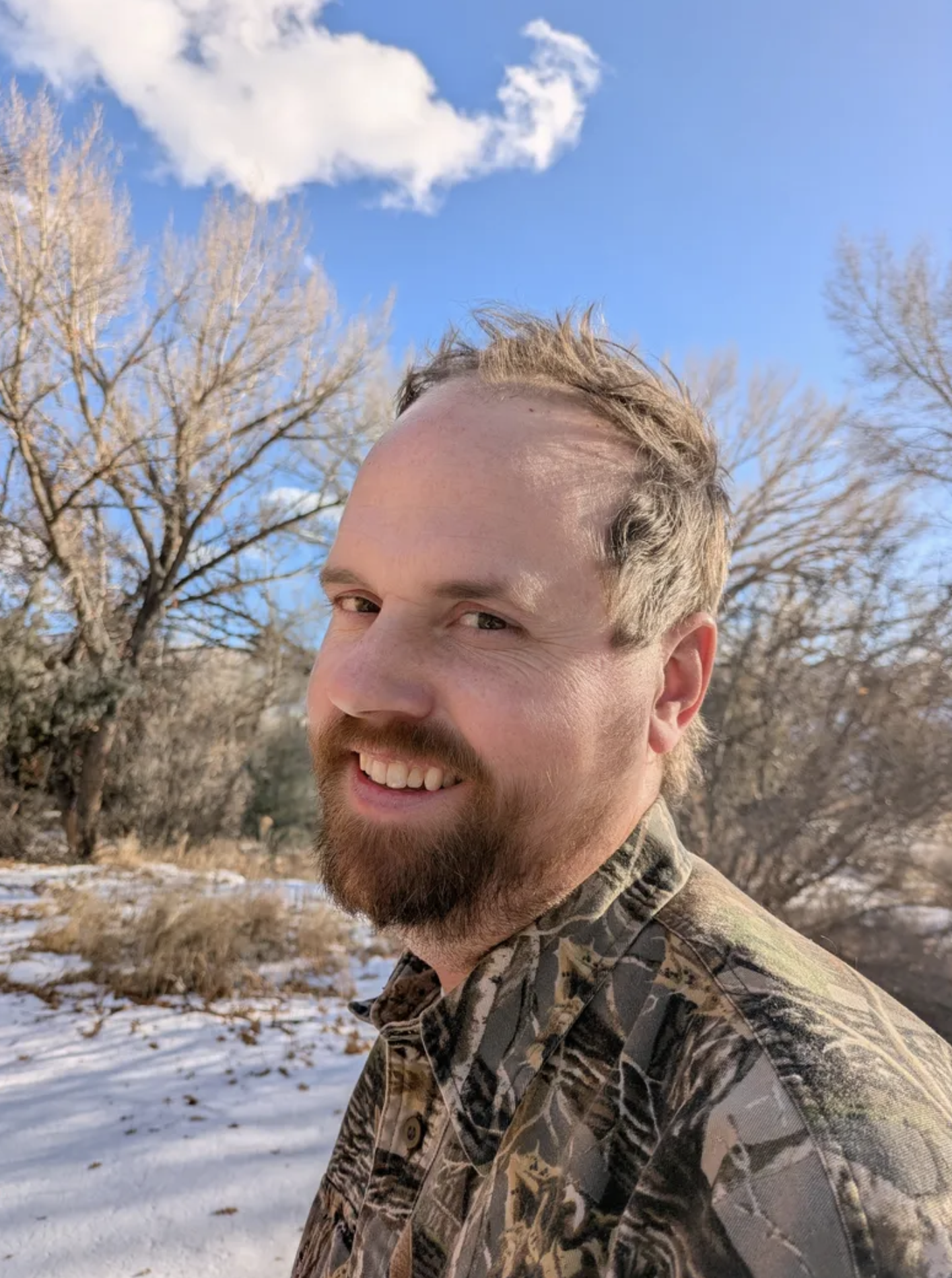
SEAN HUDSON (b. 1983) is an Albuquerque-based visual artist and creative coach whose work explores change, beauty, and perception. Hudson currently teaches watercolor workshops in New Mexico at Ghost Ranch Education and Retreat Center in Abiquiu, L'Ecole Des Beaux Arts in Santa Fe, and from his downtown Albuquerque art studio at Sanitary Tortilla Factory. He has a talent for inspiring personal narratives and unique styles at all levels in the artistic path.
Sean received his Master of Fine Arts from the University of New Mexico in 2017. His work has been shown regionally and nationally in exhibitions, art fairs, and in print, including Richard Levy Gallery, Smoke The Moon, and The Valley in New Mexico, RedLine Contemporary Art Center in Colorado, Art on Paper NYC, and in the juried publication New American Paintings No. 129.
Hudson is ever-inspired by the fleeting moments of color he observes in nature—a hazy rainbow, burning sunset, or sprouting blossom. With wonder and awe, he appreciates New Mexico's spectacular vista's and the light and shadows that dance throughout the day. When he's not working in his studio or sharing his insight with others, he and his wife enjoy connecting with friends, dancing, traveling, and hanging out with their animals - Peach, Cookie, Pony, & Coco.
-
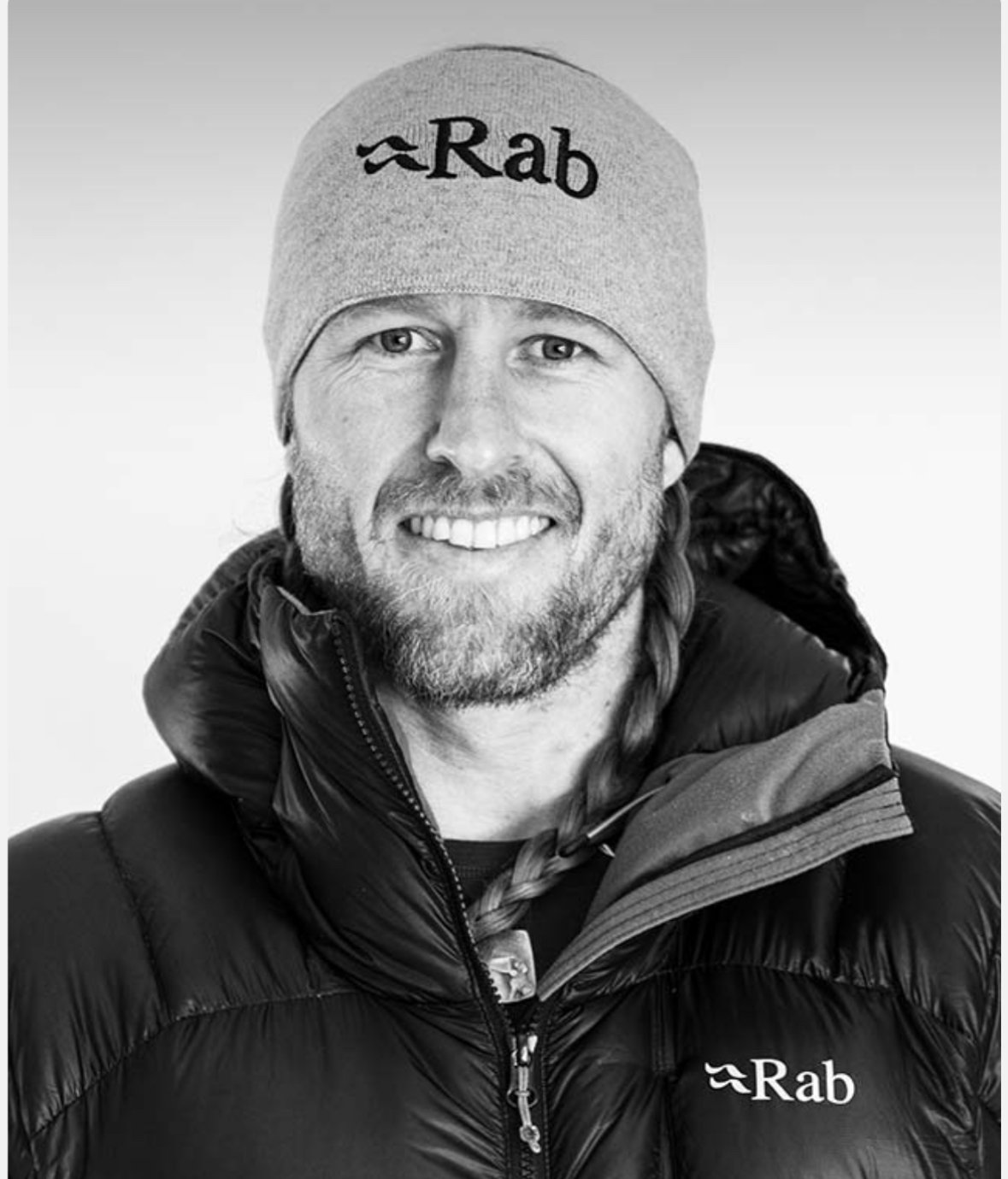
Musician Mark Morris is a fifth generation Coloradan, ski athlete and founder of Rapid Grass. The CU Denver alumnus finds inspiration for his music through skiing, and his music also inspires his skiing. Easily identifiable with his long, braided hair flowing neatly out of his headband, guitar in hand, Morris’ acoustic music has roots in bluegrass and country, among other genres. Mark tours the world using music as his vehicle in the summer and skiing as his vehicle in the winter.
-
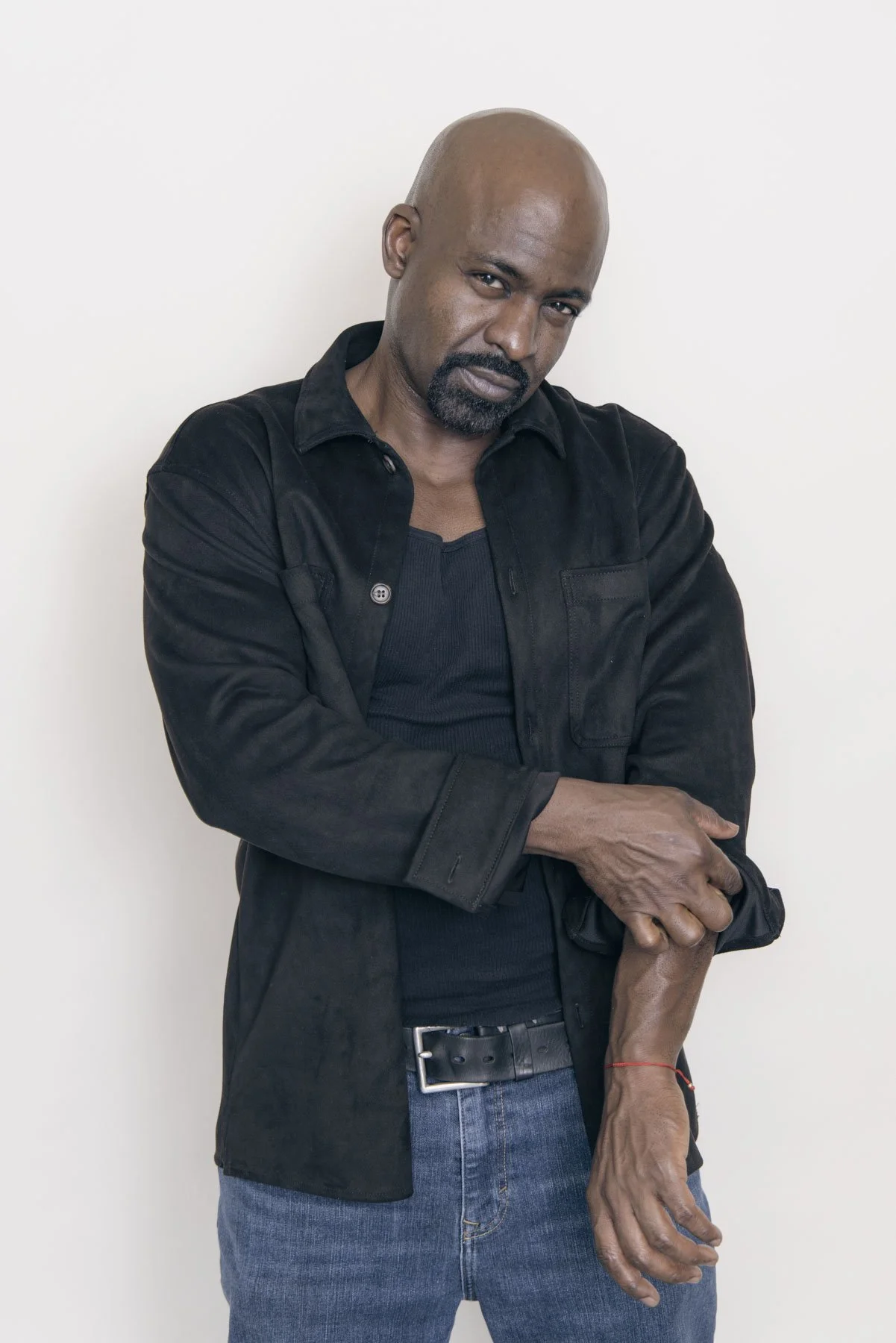
Bryonn Bain is a poet, actor, prison activist, playwright, educator, hip hop theater innovator and spoken word poetry champion. Described by Cornel West as an artist who “...speaks his truth with a power we desperately need to hear,” his theater, film and television work are critically acclaimed – from his award-winning BET talk show “My Two Cents,” to his role as a producer of the Tony nominated “For Colored Girls…” on Broadway, and his performance in the Emmy winning “LA Stories.” Wrongfully imprisoned while studying law at Harvard, Bryonn wrote the Village Voice cover story “Walking While Black,” which went viral and set a record for over 100,000 responses, before telling his story to 20 million with Emmy award winner Mike Wallace on “60 Minutes.” Bain’s critically acclaimed hip hop theater production, Lyrics From Lockdown, shares his experience of unjust imprisonment, with all the hijinks of a dysfunctional Caribbean immigrant family in Brooklyn, and the genius and gallows humor of those facing the incarceration of their loved ones. Playing over 40 characters in this one-man tour de force (directed by Gina Belafonte and executive produced by Harry Belafonte), Bain tells his story through hip hop, theater, spoken word poetry, blues, calypso, comedy, a video DJ and letters exchanged with a fellow poet and friend – Nanon Williams — wrongfully sentenced to Death Row in Texas at just 17.
Don’t see your headshot or bio? We may not have received that information through your registration or have it on file. If you’d like to add it, please email to alexis@civicresolve.com, and we’ll be happy to update your profile.